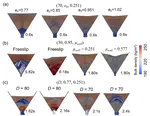
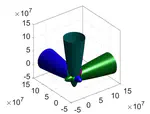
Develop coupled multiphysics models for high-rate stimulation technologies that generate complex fracture networks, enhance permeability, and expand subsurface reaction surfaces.
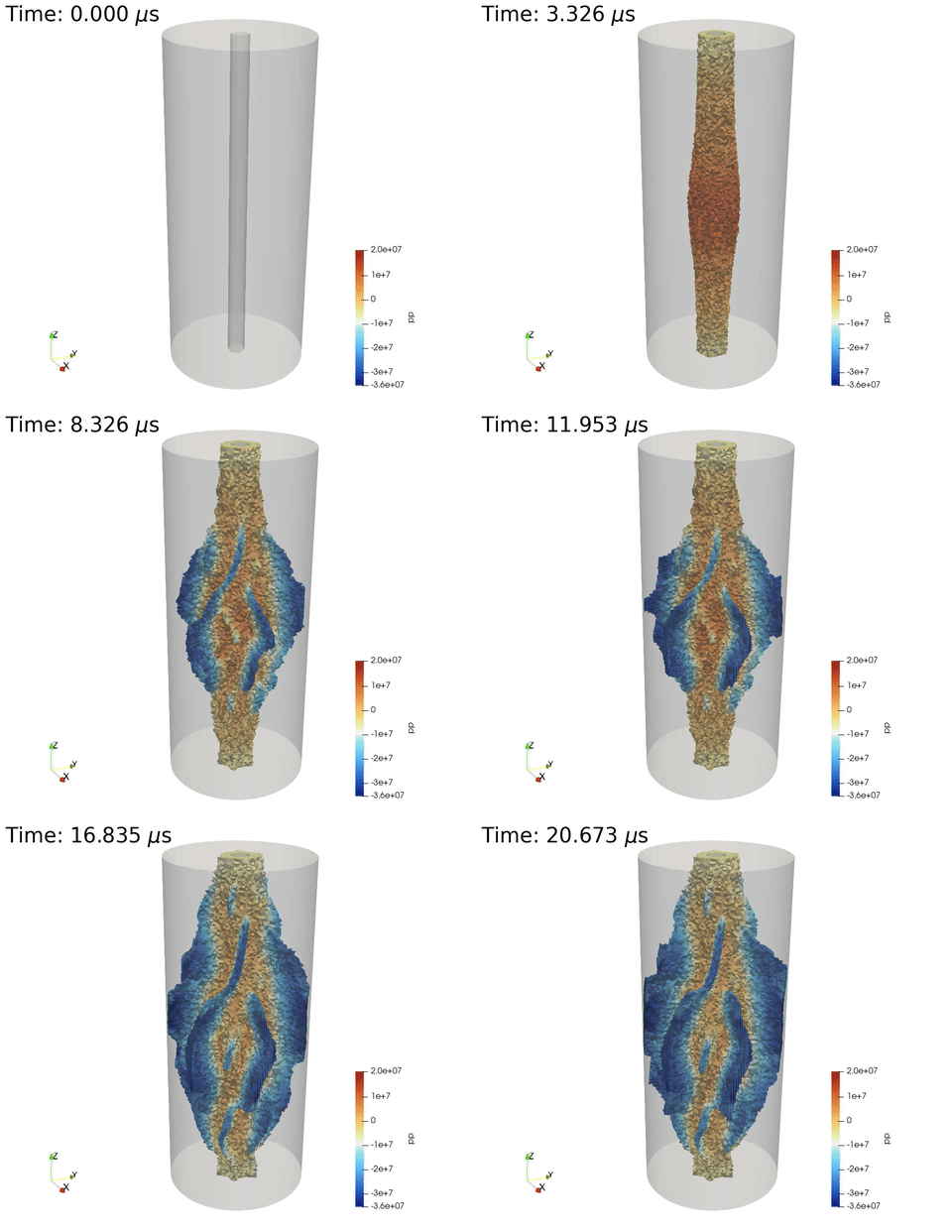
Multiscale mechanics, transport, and scientific AI for energy and Earth systems
GIL combines experiments, high-fidelity simulation, and machine learning to understand coupled processes from pores and fractures to reservoirs and engineered Earth systems.
Connecting physics, computation, and data across scales
Connect microcrack initiation and fracture evolution to reservoir- and system-scale mechanical response.
Resolve interacting deformation, fluid flow, heat transfer, and transport in porous and fractured media.
Integrate physics-based simulation and machine learning for efficient prediction, optimization, and risk assessment.
Five connected priorities shaping GIL’s present program
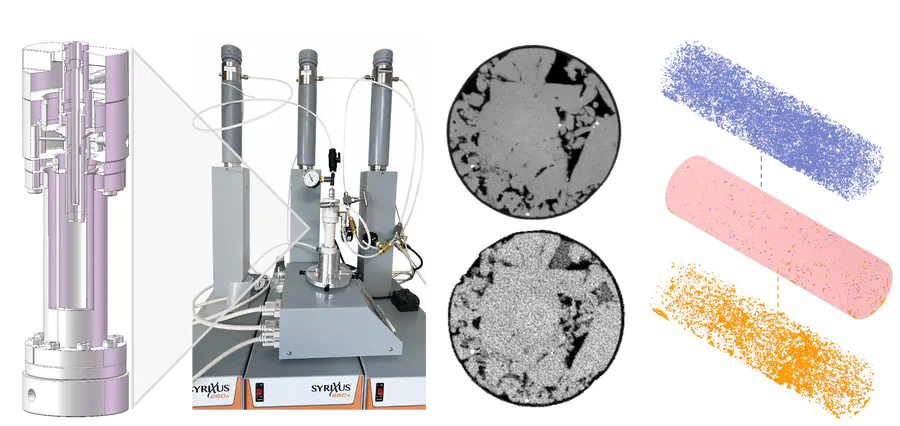
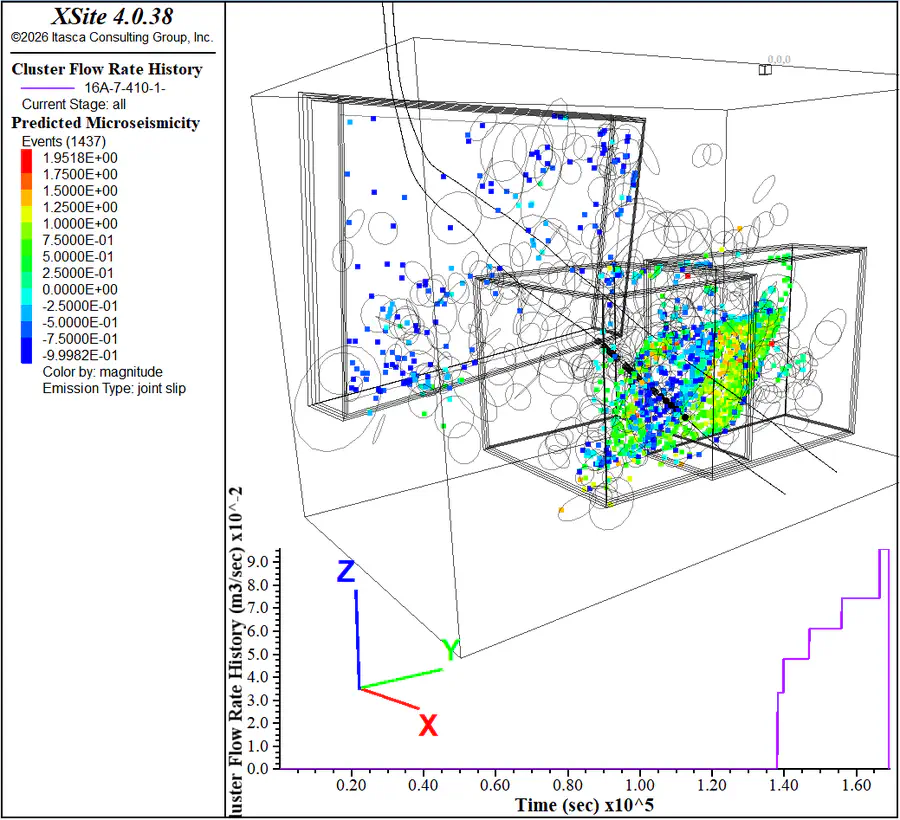
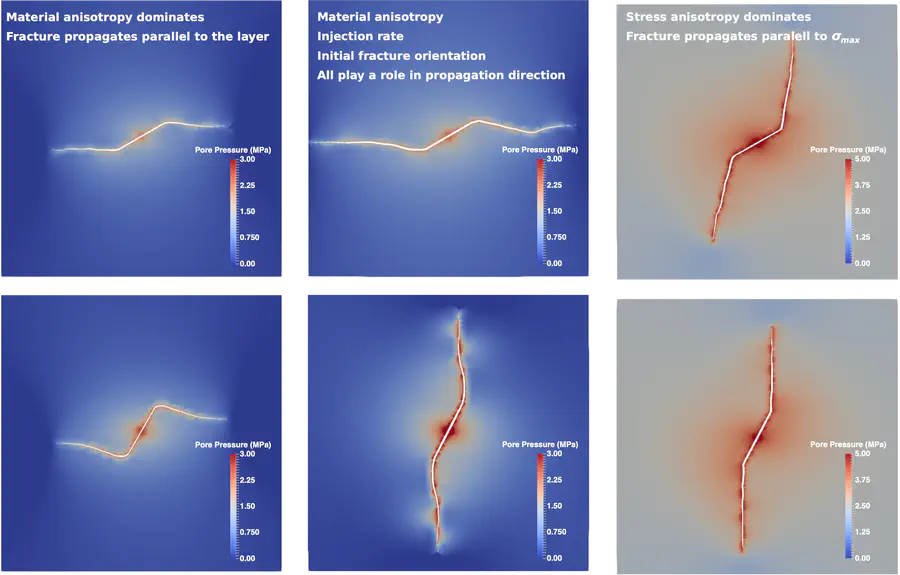
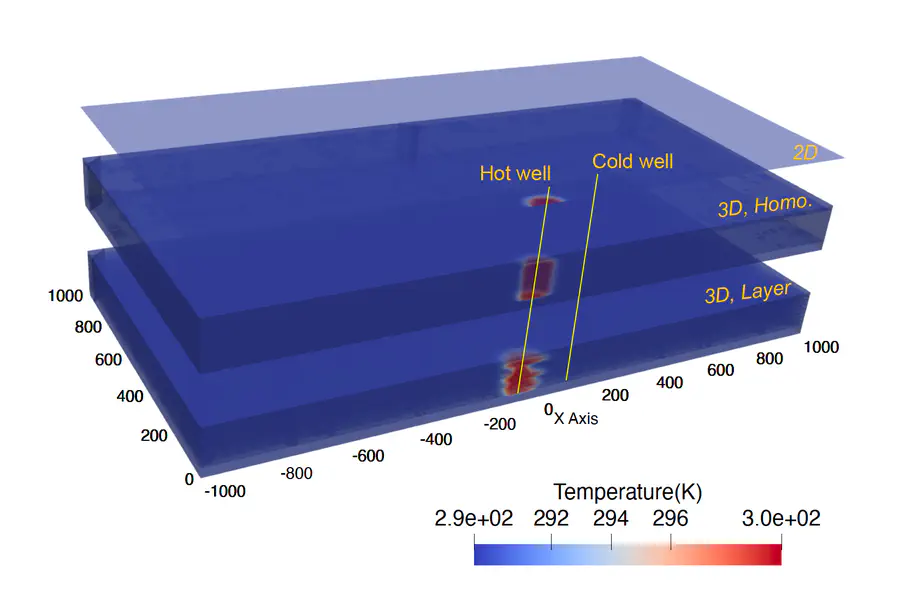
Earlier programs that continue to inform our methods and publications
Organizations investing in GIL’s current research
GIL gratefully acknowledges the sponsors and research programs that make our current work possible.
 ACS Petroleum Research Fund
Doctoral New Investigator
ACS Petroleum Research Fund
Doctoral New Investigator
 U.S. Department of Energy ARPA-E
OPEN, MINER, ROCKS, SUPERHOT programs
U.S. Department of Energy ARPA-E
OPEN, MINER, ROCKS, SUPERHOT programs
 U.S. Department of Energy
Utah FORGE Solicitation-2
Office of Naval Research
Young Investigator Program
Crisman Institute for Petroleum Research
Petroleum engineering research
U.S. Department of Energy
Utah FORGE Solicitation-2
Office of Naval Research
Young Investigator Program
Crisman Institute for Petroleum Research
Petroleum engineering research
 Texas A&M University System Research Excellence Fund
Early-Stage Research Development Program
Texas A&M University System Research Excellence Fund
Early-Stage Research Development ProgramRecognition of research support does not imply endorsement by any sponsoring organization.
Publications, software, and opportunities to collaborate
Follow the research into peer-reviewed publications and reusable computational tools, or contact GIL to discuss collaboration.